
Blog – Lima Cara Untuk Berbicara Bahasa Baru Tanpa Mengucapkan Sepatah Kata Pun
Seberapa penting apa yang Anda katakan? Tidak banyak, menurut A. Barbour, penulis Louder Than Words: Nonverbal Communication.
Dia mengklaim bahwa hanya 7% dari komunikasi yang benar-benar verbal.
Berikut adalah hal-hal lain yang dapat Anda lakukan untuk berkomunikasi dalam bahasa baru Anda bahkan sebelum Anda mulai berbicara.
- Ekspresi wajah – artinya berbeda dalam bahasa yang berbeda.
Senyum mungkin menunjukkan kemarahan di Jepang dan gelengan kepala dapat menunjukkan persetujuan di India.
Sangat berbeda dengan artinya di Inggris. - Bahasa tubuh – berdiri dengan tangan di saku sangat dapat diterima di Inggris.
Di Indonesia, agak kasar, seperti berdiri dengan tangan terlipat. - Isyarat – ini lebih umum dalam beberapa bahasa daripada yang lain, tetapi menunjuk seseorang dapat membuat Anda terkena air panas di Cina yang sangat tidak sopan.
- Postur – postur dan gaya berjalan Anda dapat membantu Anda menyesuaikan diri dengan peran berbicara bahasa baru.
Dengan meniru orang-orang di sekitar Anda, mudah untuk menyesuaikan diri. - Posisi mulut – Membuat bentuk yang benar dengan mulut Anda adalah salah satu kunci pengucapan yang baik.
Jelas, suara sebenarnya dibuat di dalam mulut tetapi dengan meniru bentuk yang dibuat penutur asli dengan mulut mereka ketika mereka berbicara, Anda dapat mengambil beberapa latihan yang berguna untuk membentuk otot-otot mulut Anda.
Menyatukan semuanya adalah hal utama.
Dengan komunikasi menjadi keseimbangan yang rumit dari begitu banyak faktor, sulit untuk mengingat semuanya ketika Anda berbicara.
Itulah mengapa memiliki guru bahasa online yang hebat atau tutor tatap muka sangat membantu.
Guru Anda akan dapat menunjukkan hal-hal yang Anda lakukan salah dan Anda bahkan dapat melihat bagaimana penampilan Anda saat Anda berbicara menggunakan cermin atau webcam.
Jadi, bahkan jika Anda benar-benar pemula dalam berbicara, mendapatkan bagian komunikasi non-verbal benar-benar dapat membantu Anda menyampaikan maksud Anda dalam bahasa baru Anda.
Aplikasi Pembelajaran Bahasa Yang Benar-Benar Berfungsi – Ketika Anda sedang bersiap untuk pergi berlibur, belajar untuk ujian, atau hanya ingin untuk memperluas pikiran Anda, itu selalu waktu yang tepat untuk belajar bahasa baru.
Di masa lalu, Anda dapat membeli buku, menghabiskan berjam-jam mendengarkan CD, mengikuti kelas online, atau mencoba belajar sambil menjelajahi web. Saat ini, aplikasi seluler adalah salah satu cara paling efisien untuk mempelajari bahasa baru.
Berikut ini adalah aplikasi pembelajaran bahasa terbaik untuk memberi Anda cara mudah untuk mengintegrasikan pembelajaran ke dalam rutinitas harian Anda ke mana pun Anda pergi.
1. Rosetta Stone
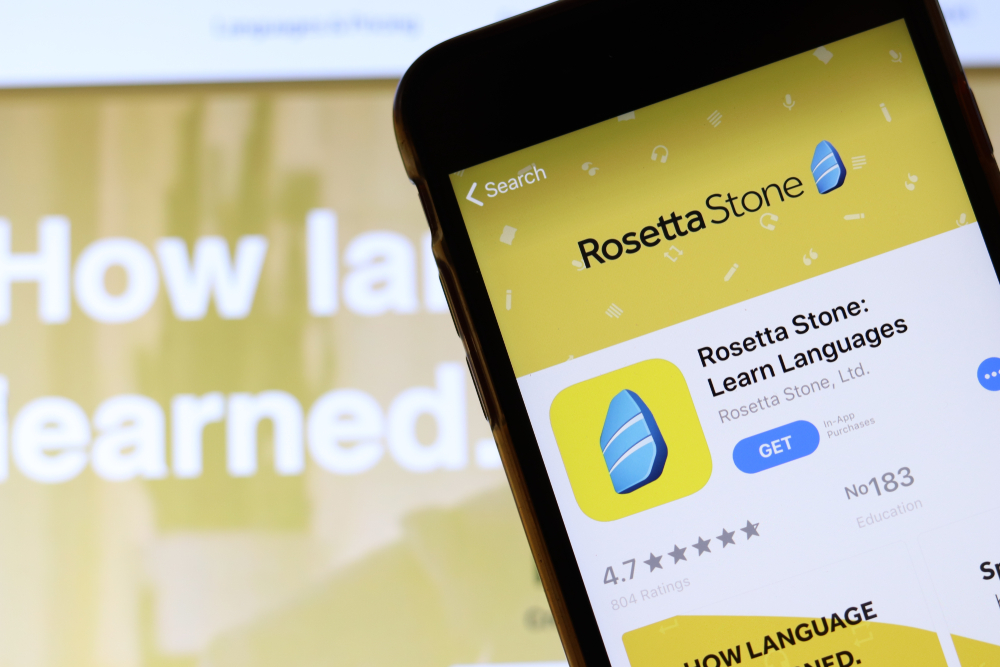
Rosetta Stone telah menjadi pemimpin dalam pengajaran bahasa selama 25 tahun. Metode latihannya standar. Dengarkan kata-katanya dan ulangi, lalu cocokkan foto dengan frasa.
Anda dapat dengan mudah meninjau kemajuan Anda dengan jawaban yang benar dalam pengucapan, kosa kata, dan tata bahasa. Rosetta Stone adalah alat pembelajaran berbasis langganan, tetapi Anda dapat mencoba pelajaran pertama secara gratis untuk melihat apakah Anda menyukainya. Pelajari lebih lanjut tentang bagaimana Rosetta Stone dapat membantu Anda jika Anda tertarik.
2. Duolingo
Dengan antarmuka yang cerah dan intuitif, Duolingo memungkinkan Anda maju secara alami dengan kecepatan Anda sendiri. Anda mulai dengan frasa sederhana dan secara bertahap beralih ke kalimat yang lebih kompleks.
Duolingo membahas membaca, menulis, dan pengucapan dengan menantang Anda dengan berbagai kegiatan yang menyenangkan. Sungguh menakjubkan betapa cepatnya Anda dapat mempelajari dasar-dasarnya tanpa menyadarinya. Plus, mudah untuk meninjau kembali pelajaran dan memperbaiki kelemahan Anda, yang merupakan salah satu cara terbaik untuk belajar.
3. Memrise
Banyak siswa menggunakan flashcards untuk membantu mereka melalui ujian mereka, dan Memrise mengambil pendekatan yang sama. Ini dimulai perlahan; untuk belajar bahasa Rusia, misalnya, Anda dipandu melalui alfabet Cyrillic, tapi itu bukan metode yang buruk.
Ada sesuatu yang aneh dan mengundang tentang alat bantu visualnya yang sederhana, seolah-olah seorang teman menunjukkan tips untuk mengingat setiap pelajaran.
Memrise memiliki antarmuka ramah yang mendorong dan menarik. Memrise Pro bahkan menawarkan game, chatbot, dan mode offline untuk belajar saat bepergian.
4. Busuu
Menawarkan lebih dari 80 juta pengguna di seluruh dunia, aspek terbaik dari Busuu adalah interaktivitasnya. Dengan 12 bahasa, kursus lengkap, ulasan latihan dari penutur asli, dan pelatihan aksen, Anda mendapatkan pengalaman lengkap dengan Busuu.
Anda bisa mulai dengan tes penempatan, jadi Anda mulai dari level yang tepat. Ini luar biasa jika Anda bukan pemula tetapi ingin melatih keterampilan bahasa yang Anda pelajari sebelumnya. Aplikasi ini juga menyediakan akses offline, tip tata bahasa, dan sertifikat resmi dengan peningkatan premiumnya.
5. HelloTalk
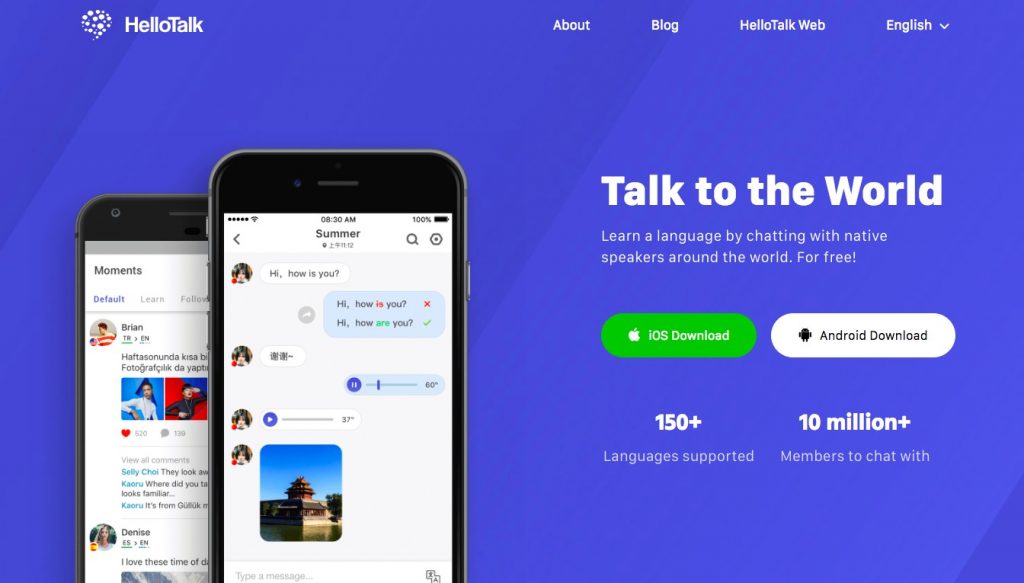
HelloTalk menghubungkan Anda dengan orang-orang yang berbicara dalam bahasa yang ingin Anda pelajari. Sebagai imbalannya, Anda membantu mereka mempelajari bahasa Anda. Ini adalah ide yang sangat mendasar yang memungkinkan Anda berbicara dengan penutur asli dan merupakan cara yang baik untuk mendalami bahasa tersebut.
Ada daftar besar bahasa untuk dipilih, dan Anda dapat menyaring daftar kemungkinan tutor berdasarkan usia dan negara. HelloTalk meruntuhkan batasan antar negara, dan itulah gunanya mempelajari bahasa lain.
Seperti halnya situs media sosial lainnya, tetap aman dan jangan memberikan informasi pribadi pribadi secara online.
6. Babbel
Babbel mirip dengan Rosetta Stone karena merupakan aplikasi berbasis langganan tempat Anda dapat mencoba pelajaran pertama secara gratis. Pilih dari 14 bahasa, dengarkan dan ulangi kata, lalu uji apa yang Anda pelajari. Anda juga dapat menonaktifkan mikrofon dan hanya mendengar kata-kata yang diucapkan kepada Anda dengan kuis singkat di akhir.
Ketika Anda menyelesaikan pelajaran, Anda dapat melihat daftar kosakata dan kemudian memilih dari kartu flash atau latihan menulis untuk meninjau apa yang Anda pelajari. Jika Anda serius ingin belajar bahasa lain dan tidak keberatan dengan harga berlangganan, Babbel adalah pilihan yang jelas.
7. Drops
Dipersembahkan oleh pencipta Kahoot, Drops adalah cara yang sangat mudah digunakan dan menyenangkan untuk mempelajari bahasa baru dengan cepat. Alih-alih berfokus pada mengajari Anda tentang seluruh bahasa, Drops berfokus pada 2600 kata yang paling umum digunakan untuk membantu Anda dalam komunikasi sehari-hari secara umum.
Aplikasi ini bukan yang terbaik jika Anda baru saja pindah ke negara baru; namun, ini adalah panduan yang bagus saat bepergian karena aspek percakapannya. Anda hanya perlu mendedikasikan lima menit sehari untuk pelajaran Drops, dan dalam waktu singkat Anda akan terkejut dengan pengetahuan tentang bahasa baru.
8. Tandem
Sementara banyak dari aplikasi yang terdaftar fokus pada retensi bahasa, Tandem menempatkan fokus pada pertukaran bahasa. Anda akan memilih mitra yang bahasa ibunya adalah bahasa yang ingin Anda pelajari. Cukup mulai percakapan dan perhatikan saat Anda mengembangkan bahasa baru dengan cepat.
Aplikasi ini luar biasa karena memberdayakan penutur asli dan mendorong koneksi manusia. Berbagi budaya adalah cara terbaik untuk memahami bahasa baru daripada sekadar menghafal dan melafalkan kata kunci yang sama berulang-ulang. Setelah Anda mendapatkan teman, coba tantang mereka dalam game online untuk lebih meningkatkan kemampuan bahasa Anda.
Bahasa-Bahasa Paling Sulit di Dunia Ini Untuk Dipelajari – Dalam hal kesulitan belajar, tak semua bahasa diciptakan sama. Beberapa cuma jauh lebih sulit untuk dipelajari daripada yang lain. Perlu juga untuk dicatat bahwa tidak semua siswa diciptakan sama, artinya bahasa yang sulit bagi penutur bahasa Inggris mungkin tidak terlalu sulit bagi seseorang yang berbicara bahasa Rusia atau Mandarin. Terlepas dari itu, berikut ini telah disusun daftar beberapa bahasa paling sulit di dunia untuk dipelajari, dilihat dari sudut pandang mereka yang berbicara bahasa Inggris sebagai bahasa ibu.
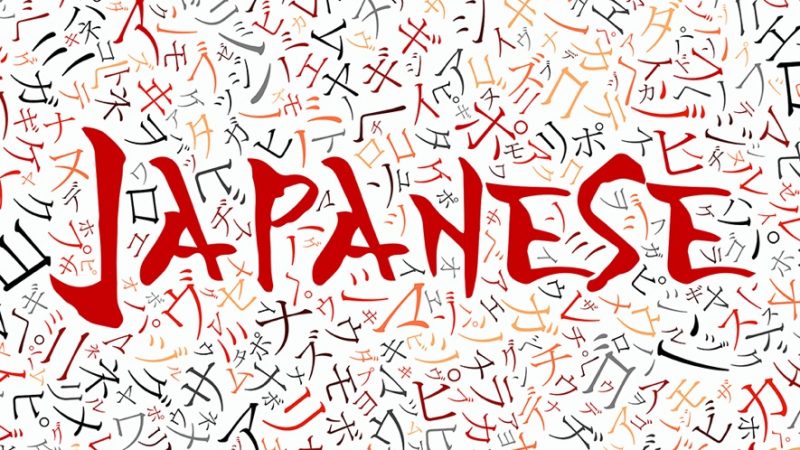
1. Jepang

Orang akan berpikir bahwa bahasa Mandarin, Hongaria, atau Finlandia mungkin memulai daftar ini, tetapi kita mulai dengan bahasa Jepang, karena bahasa ini dijuluki bahasa paling sulit oleh Foreign Service Institute, sebuah organisasi pemerintah yang melatih karyawan komunitas urusan luar negeri AS. Mempelajari dua huruf Jepang utama tidak terlalu sulit, karena terbatas. Ada hiragana, digunakan untuk kata-kata Jepang, dan katakana, digunakan untuk kata-kata asing. Tampaknya cukup sederhana, bukan? Tapi tunggu, ini belum berakhir. Masukkan kanji, sistem penulisan yang diadopsi dari karakter Cina, dan Anda mendapatkan tingkat kebingungan yang sama sekali baru. Berbicara bahasa Jepang juga tidak mudah, karena kecepatan native sangat cepat.
2. Bahasa mandarin
Juga dikenal sebagai Bahasa Mandarin Standar, Mandarin adalah bahasa resmi China, menjadikannya bahasa yang paling banyak digunakan di dunia karena populasi negara yang besar. Menurut Ethnologue, sebuah think tank yang menganalisis bahasa-bahasa dunia, ada 1,197 miliar penutur bahasa Mandarin pada tahun 2014. Sistem penulisan saja bisa membuat kepala linguis pusing; karakter menyerupai gambar kompleks dan tampaknya jumlahnya tak terbatas. Skrip yang disederhanakan, yang dikenal sebagai bahasa Mandarin yang disederhanakan, membuat penulisan lebih mudah, meskipun itu hanyalah sistem lain yang harus diakomodasi oleh pelajar. Bukan hanya sulit bagi orang barat; mereka yang tumbuh dengan bahasa Kanton juga dapat mengalami masalah dengan bahasa Mandarin yang disederhanakan karena kurang digunakan di Hong Kong, Makau, Taiwan, dan di antara komunitas di luar negeri. Berbicara juga sulit; ada empat nada utama untuk karakter (lima jika Anda menghitung nada netral). Mengatakan sebuah kata, seperti ma, dengan nada yang salah secara harfiah adalah perbedaan antara ibumu dan seekor kuda.
3. Hongaria
Bahasa Hungaria sangat sulit bagi pelajar bahasa Inggris karena kata-kata dibentuk sepenuhnya berbeda, dengan frasa yang sering digabungkan untuk membentuk satu kata. Misalnya, barátnőmmel berarti “dengan teman wanita saya”. Ada 18 sufiks kasus dalam bahasa Hongaria. Sebagai perbandingan, bahasa Inggris hanya memiliki tiga, dan mereka masih berhasil membingungkan dengan kompleksitas mereka. Tambahkan aturan tata bahasa yang rumit dan seluk-beluk budaya ini, dan orang dapat melihat bahwa bahasa Hongaria bukanlah pilihan yang mudah untuk pelajar bahasa baru.
4. Finlandia
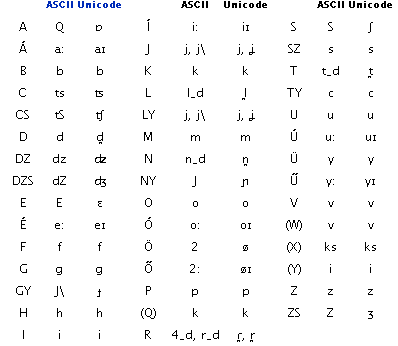
Sering dikatakan bahwa bahasa Finlandia memiliki ikatan linguistik dengan bahasa Hongaria, membuatnya menjadi bahasa yang sulit untuk dipelajari juga, meskipun untuk mengatakan bahwa mereka sangat mirip adalah hal yang sulit. Keduanya termasuk dalam kelompok bahasa Finno-Ugrian (Estonia juga ada di klub ini), akibat pengaruh penjajah asing di masa lalu. Tidak seperti bahasa Hongaria, bahasa Finlandia “hanya” memiliki 15 tenses. Seperti bahasa Hongaria, kata-kata dapat bertambah panjang tergantung pada apa yang ingin dikatakan. Ini hampir ajaib, bisa dikatakan, sedemikian rupa sehingga Tolkien mengembangkan bahasa elfnya untuk The Lord of the Rings dengan bantuan dari bahasa yang rumit ini.
5. Arab
Secara resmi dikenal sebagai Bahasa Arab Standar Modern atau Bahasa Arab Sastra, bahasa ini segera dikenali di media cetak karena tulisannya yang mengalir indah. Mempelajari abjad Arab bukanlah bagian tersulit dari mempelajari bahasa; berbicara dan menulis sebenarnya jauh lebih sulit. Kata-kata dibangun dengan akar dasar dari tiga konsonan utama yang menentukan semua karakteristik gramatikal dan deskriptif dari apa yang ingin disampaikan (kasus, kuantitas, jenis kelamin, dan bagian ucapan). Vokal dihilangkan dalam tulisan, sehingga menyulitkan siswa untuk menerjemahkan teks. Berbicara juga tidak lebih mudah, karena banyaknya dialek di berbagai negara membuat pemahaman menjadi tantangan yang lebih besar.
6. Polandia
Bahasa Polandia adalah bahasa yang menyukai konsonan. Bahkan kata untuk “hello” terlihat menakutkan: cześć. Penutur bahasa Inggris sering menghadapi masalah ketika mencoba mengucapkan kata-kata Polandia. Memahami aturan bahasa juga sulit: dengan tujuh kasus yang dapat dimanipulasi oleh tujuh jenis kelamin tata bahasa (ya, tujuh), membentuk kalimat mungkin terasa seperti melakukan perhitungan rumit di kepala seseorang. Sebuah representasi yang baik dari kesulitan bahasa dapat dilihat dalam penggunaan angka: ada 17 kemungkinan variasi untuk masing-masing.
Keberagaman Budaya Bahasa Paling Unik di Dunia – Bahasa mencerminkan berbagai budaya kita. Bahasa Inggris sendiri awalnya berasal dari Inggris, di mana waktu sangat penting, oleh karena itu semua tenses berbeda yang dimiliki bahasa Inggris dan berapa banyak cara untuk memberi tahu waktu, misalnya. Budaya lain lebih fokus pada hal-hal lain yang penting bagi mereka, oleh karena itu mengapa mereka terdengar sangat berbeda bahkan jika mereka berada di bagian dunia yang sama. Karena dunia ini sangat beragam maka ada beberapa bahasa yang berbeda di seluruh dunia, dan ada juga yang cukup unik. Berikut ini daftarnya.
1. Finlandia
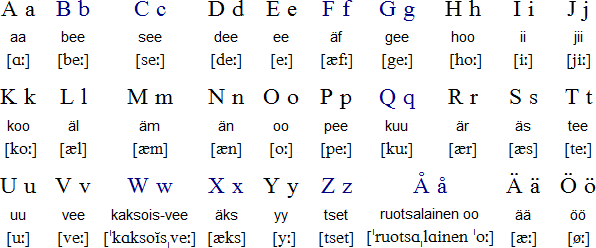
Finlandia berada di antara Swedia dan Rusia, jadi Anda akan menganggap bahasanya akan terdengar seperti campuran di antara keduanya. Mereka sebenarnya memiliki bahasa yang benar-benar unik. Mereka masih menggunakan alfabet Latin dengan tambahan huruf ä, å, and ö seperti bahasa Swedia. Dialek bahasa Finlandia cukup unik, karena ada satu versi untuk bahasa tertulis, atau “Finlandia standar” sementara yang lain untuk bahasa lisan, tergantung di mana pembicara dari dialek berbeda. Karena Finlandia berada di bawah kekuasaan Swedia begitu lama, bahasa Swedia adalah salah satu bahasa resmi di sana. slot777
2. Basque
Karena Basque berada di wilayah Spanyol dan Prancis, Anda akan mengharapkannya menjadi bahasa roman dan terdengar mirip dengan bahasa tersebut. Sebenarnya, dikatakan bahwa itu adalah salah satu dari sedikit bahasa pra Indo-Eropa yang bertahan jauh sebelum Roma dan kerajaan lainnya. Ada sejumlah teori berbeda yang bertanya-tanya seperti apa bahasa itu, tetapi kebanyakan dari mereka telah dibantah sekarang. Itu memang menggunakan alfabet Latin, tetapi sistem penomorannya benar-benar berbeda.
3. Silbo Gomero
La Gomera adalah sebuah pulau di Kepulauan Canary yang merupakan wilayah Spanyol. Penduduk asli pulau itu adalah Guanches dan di La Gomera dan salah satu bahasa yang mereka gunakan adalah Silbo Gomero, atau bahasa bersiul. Ini dapat melintasi jurang dan pegunungan, yang membuatnya berguna untuk berbicara dengan orang jarak jauh. Dengan ditemukannya telepon yang demikian, pada tahun 1950-an bahasa tersebut mengalami penurunan. Namun, sejak 1999 sudah diajarkan di sekolah-sekolah daerah sehingga meningkat lagi.
4. Archi
Archi adalah salah satu bahasa yang digunakan di wilayah barat daya Rusia (Archib dan Dagestan). Apa yang paling unik tentang itu adalah bahwa lebih dari 1 juta cara untuk memodifikasi kata kerja, yang mungkin cukup sulit untuk diingat. Untuk waktu yang lama tidak ada contoh tertulis dari Archi juga. Kadang-kadang itu adalah studi dengan huruf Latin, namun pada tahun 2006 ada alfabet Cyrillic yang dibuat untuk itu.
5. Korea
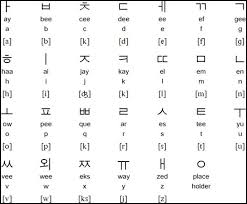
Karena Anda benar-benar pernah mendengar tentang Korea dan Korea (setidaknya, mungkin Anda pernah mendengarnya), gagasan bahwa itu adalah bagian dari daftar bahasa yang unik mungkin akan mengejutkan Anda. Aslinya tulisan Korea diambil dari karakter Cina dan mereka menyebutnya Hanja dan hanya elit yang melek huruf. Namun pada abad ke-15, bahasa tulis baru diciptakan, Hangul, yang masih digunakan sampai sekarang dan tersedia untuk semua kelas orang untuk membaca dan menulis. Bahasa Korea adalah bahasa yang benar-benar terisolasi, artinya tidak ada yang tahu apa hubungannya. Beberapa mengatakan bahasa Jepang, karena mereka agak mirip dalam beberapa hal, namun yang lain mengatakan itu lebih terkait dengan Mongolia.
6. Huaorani/Waorani
Ini mungkin salah satu bahasa paling unik dalam daftar ini. Masih dituturkan oleh beberapa orang di amazon di Peru dan Ekuador, beberapa penuturnya masih berasal dari suku-suku yang belum pernah dihubungi (atau terbatas dihubungi). Itu juga dianggap terancam punah karena lebih banyak orang yang berbicara bahasa itu juga belajar bahasa Spanyol dan Quechua dan lebih sering menggunakannya. Ada beberapa cara berbeda untuk mengucapkan vokal untuk menandakan arti yang berbeda, dan bahasa ini benar-benar berbeda dari bahasa sekitarnya.
7. Esperanto
Esperanto benar-benar unik karena benar-benar dibuat-buat (dan sebenarnya tidak memiliki kata kerja tidak beraturan). Itu dibuat pada tahun 1887 untuk mencoba membuat dan bahasa kedua universal yang mudah diketahui hampir semua orang. Di zaman sekarang ini, mungkin saja sebanyak 10 juta orang menggunakannya sebagai bahasa kedua. Ini menggunakan alfabet Latin dan memiliki sistem braille sendiri. Meskipun seharusnya menjadi bahasa internasional, itu terutama Indo-Eropa dan sebagian besar dari bahasa roman seperti Latin, Spanyol, dan Prancis. Hal ini membuat banyak orang mengeluh karena sebagian besar dunia berbicara bahasa Asia yang sama sekali tidak berhubungan (oleh karena itu bukan bahasa yang mudah dan fleksibel untuk mereka pelajari).
8. Cina
Mungkin bahkan tidak perlu diberitahuka kepada Anda betapa uniknya bahasa Mandarin atau mengapa bahasa itu ada dalam daftar bahasa unik ini. Tidak ada alfabet nyata, Anda harus mengetahui setidaknya 3.000 karakter bahasa tertulis untuk membaca koran. Ada beberapa dialek daerah yang berbeda, dan semuanya sangat bervariasi sehingga tidak semua bisa saling memahami. Belum lagi nada-nadanya. Satu kata memiliki beberapa nada yang berbeda, masing-masing memiliki arti yang sama sekali berbeda. Ini adalah salah satu alasan utama mengapa angka “empat” mereka “buruk”. Kedengarannya mirip dengan kata mereka untuk “kematian.”

Fakta Yang Menarik Tentang Penggunaan Bahasa Portugis – Bahasa Portugis adalah salah satu bahasa yang paling penting digunakan di beberapa belahan dunia saat ini. Tidak hanya itu bahasa keenam yang paling banyak digunakan di dunia, tetapi juga hadir di hampir semua benua. Berikut ini adalah beberapa fakta menarik tentang bahasa yang menakjubkan ini.
1. Ini adalah bahasa resmi sembilan negara
Ini adalah kesalahpahaman umum bahwa bahasa Portugis hanya digunakan di Portugal dan Brasil. Faktanya, ini adalah bahasa resmi di sembilan negara yang berbeda: Portugal, Brazil, Mozambique, Angola, Guinea-Bissau, Timor-Leste, Equatorial Guinea, Cape Verde, dan São Tomé and Principe. Selain itu, bahasa Portugis adalah bahasa resmi wilayah otonomi Tiongkok di Makau. nexus slot
2. Hanya 5% penutur bahasa Portugis yang tinggal di Portugal
Tidak mengherankan, dengan negara-negara berpenduduk padat seperti Brasil dan Mozambik menjadikannya sebagai bahasa resmi mereka, mayoritas penutur bahasa Portugis bukan berasal dari Portugal. Namun, perkiraan proporsi penutur bahasa Portugis di luar Portugal cukup mencengangkan, hanya seperdua puluh Lusophone di dunia yang benar-benar berada di negara asal bahasa tersebut.
3. Ini adalah bahasa Eropa dengan pertumbuhan tercepat di dunia setelah bahasa Inggris
Karena banyaknya penutur bahasa Portugis di seluruh dunia (bahasa ini adalah bahasa keenam yang paling banyak digunakan di planet ini) dan penyebarannya di seluruh Amerika Selatan, Eropa, Afrika, dan Asia, bahasa Portugis berkembang pesat dan berpotensi menjadi “komunikasi internasional”. bahasa,” menurut UNESCO.
4. Sangat dipengaruhi oleh bahasa Arab
Ketika bangsa Moor Islam dari Afrika Utara dan Timur Tengah menaklukkan Portugal dan Spanyol pada abad kedelapan, sebuah bentuk bahasa Arab adalah bahasa resmi Semenanjung Iberia hingga Reconquista pada abad ke-13. Akibatnya, bahasa Portugis mengalami pengaruh besar dari bahasa Arab, dan banyak kata-kata asal Arab tetap dalam bahasa sehari-hari, termasuk almofada (bantalan), azeitona (zaitun), dan garrafa (botol).
5. Kata terpanjangnya memiliki 29 huruf
Sementara “antidisestablishmentarianism” dalam bahasa Inggris memiliki 28 huruf, bahasa Portugis lebih cocok dengan anticonstitucionalíssimamente, yang berarti “dengan cara yang sangat tidak konstitusional.” Ini adalah kata non-teknis terpanjang dalam bahasa Portugis, dengan total 29 huruf.
6. Bahasa Inggris telah meminjam beberapa kata Portugis

Penyebaran Portugis di seluruh dunia tak terhindarkan menyebabkan beberapa kata-katanya masuk ke bahasa Inggris. Contohnya adalah “embarrass” (berasal dari bahasa Portugis embaraçar, untuk mengikat simpul), “cobra”, dan “fetish” (dari feitiço, yang berarti pesona atau sihir).
7. Setiap verb tense memiliki enam akhiran yang berbeda
Bisa dibilang batu sandungan terbesar bagi penutur bahasa Inggris yang mencoba belajar bahasa Portugis adalah bahwa setiap kata kerja memiliki enam konjugasi yang berbeda untuk berbagai kata ganti. Sebagai contoh, kata kerja bahasa Inggris “to write” memiliki dua konjugasi dalam present tense, I/you/we/they write, he/she/it writes. Namun, kata kerja yang setara dalam bahasa Portugis akan terkonjugasi sebagai berikut: eu escrevo, tu escreves, ele/ela/você escreve, nós escrevemos, vós escreveis, elas/eles/vocês escrevem.
8. Portugis memiliki dua kata kerja yang berarti “menjadi”
Sementara “menjadi” bahasa Inggris bersifat universal, bahasa Portugis memiliki dua kata kerja yang berbeda untuk situasi ini: ser dan estar. Ser adalah untuk contoh yang permanen dan tidak berubah, sedangkan estar adalah untuk situasi sementara seperti suasana hati atau cuaca. Namun, pemisahan ini memunculkan beberapa keanehan yang menarik, karena bahasa Portugis menganggap pernikahan itu permanen dan tidak berubah, menggunakan ser casado daripada estar casado.
9. Bahasa Portugis Eropa dan Brasil sangat berbeda
Meskipun sering dibandingkan dengan perbedaan antara bahasa Inggris Amerika dan Inggris, yang merupakan variasi dari bahasa yang sama namun sangat mirip, bahasa Portugis dari Portugal dan Portugis dari Brasil jauh lebih jauh. Perbedaan utama terletak pada penggunaan kata ganti orang kedua. Di Portugal, tu dan vós biasanya digunakan, sementara ini (terutama yang terakhir) jarang terdengar di Brasil, yang lebih menyukai kata ganti você dan vocês.
Meskipun você dianggap modern dan kurang formal, bersama dengan bahasa Portugis Brasil lainnya, yang terjadi justru sebaliknya. Você adalah versi singkat dari sapaan hormat formal vossa mercê (“rahmat Anda”), dan banyak perbedaan antara kedua versi tersebut berkaitan dengan kecenderungan orang Portugis Brasil untuk menggunakan istilah dari bahasa Portugis abad ke-18 dan ke-19.
10. Hanya memiliki 23 surat sampai tahun 2009
Sampai saat ini, huruf “K”, “W”, dan “Y” bukanlah bagian dari bahasa Portugis. Dalam kata-kata seperti “kilogram,” Portugis akan menukar K untuk “qu-,” quilograma, sementara suara “W” dan “Y” hanya pernah ditemukan dalam kata benda asing. Pada tahun 2009, negara-negara berbahasa Portugis di seluruh dunia berkumpul untuk menandatangani “Orthographic Agreement” baru, yang menstandarisasi bentuk ejaan di berbagai variasi bahasa Portugis dan memperkenalkan huruf “K,” “W,” dan “Y.”

Bahasa Tersulit Untuk Dipelajari Oleh Penutur Bahasa Inggris – Mempelajari bahasa baru bukanlah suatu hal yang mudah untuk dilakukan. Hal ini sungguh-sungguh tantangan yang membingungkan. Tapi ada beberapa cara untuk membuatnya lebih mudah. Ada juga cara untuk membuatnya lebih sulit. Bertujuan untuk belajar bahasa Prancis atau Spanyol datang dengan serangkaian kesulitannya sendiri, tetapi sebagian besar pembelajarannya adalah dalam kosa kata dan tata bahasa baru.
Jika Anda akan melalui hal-hal yang membosankan itu, Anda mungkin juga berusaha keras dan menguasai bahasa yang lebih sulit, abjad, karakter, gaya penulisan, dan suara baru yang berbeda akan mendorong Anda hingga batasnya. raja slot
Tanpa basa-basi lagi, berikut ini adalah beberapa bahasa tersulit (tetapi paling bermanfaat) untuk dipelajari.
1. Mandarin

Mandarin adalah bahasa dalam kelompok bahasa Cina dan sebenarnya bahasa yang paling banyak digunakan di dunia. Namun, untuk penutur bahasa Inggris, menguasai bahasa Mandarin adalah tugas yang sulit. Berkat itu menjadi bahasa nada, setiap suara dalam sistem transkripsi fonetik Mandarin pinyin memiliki empat pengucapan yang berbeda. Tambahkan fakta bahwa bahasa Mandarin adalah bahasa yang kaya akan homofon dan penuh dengan idiom dan kata-kata mutiara yang diambil selama sejarahnya yang panjang, dan bahasa Mandarin bisa dibilang menjadi bahasa yang paling sulit di dunia untuk dipelajari oleh penutur bahasa Inggris.
2. Bahasa arab
Dalam bahasa Arab, sebagian besar huruf ditulis dalam 4 bentuk berbeda tergantung di mana mereka ditempatkan dalam sebuah kata, dan untuk memperumitnya, vokal tidak disertakan saat menulis. Ini membuat penerjemahan menjadi tugas yang jauh lebih sulit dalam bahasa Arab daripada kebanyakan bahasa lainnya. Selain itu, bahasa Arab memiliki banyak dialek yang berbeda, artinya bahasa Arab yang digunakan di Mesir berbeda dengan yang digunakan di Arab Saudi.
3. Jepang
Apa yang membuat bahasa Jepang lebih sulit daripada sistem penulisan berbasis karakter rata-rata Anda adalah bahwa ribuan karakter harus dipelajari sebelum dapat menulis dalam bahasa Jepang secara luas: Jepang memiliki tiga sistem penulisan independen, hiragana, katakana, dan kanji, yang masing-masing memiliki alfabet yang berbeda. Di sisi positifnya, agak lebih mudah untuk berbicara daripada bahasa Mandarin. Kemenangan kecil.
4. Hungaria
Membuat daftar dengan beberapa kasus, bahasa Hongaria memiliki beberapa aturan tata bahasa tersulit yang akan Anda temui. Di Hongaria, sufiks mendikte tense dan kepemilikan alih-alih urutan kata, yang merupakan cara sebagian besar bahasa Eropa mengatasi masalah tersebut. Selain itu, elemen budaya yang halus dalam bahasa Hongaria membuatnya sangat sulit untuk dipelajari.
5. Korea
Karena bahasa yang paling banyak digunakan mengisolasi bahasa tanpa hubungan silsilah yang dapat dibuktikan dengan bahasa lain, bahasa Korea adalah bahasa yang sangat unik. Misalnya, ketika menggambarkan suatu tindakan dalam bahasa Korea, subjeknya duluan, lalu objeknya, dan akhirnya kalimat itu diakhiri dengan tindakannya. Secara praktis ini berarti mengatakan “나는 ” secara langsung diterjemahkan sebagai “I water drink” sebagai lawan dari bahasa Inggris “I drink water”.
6. Finlandia
Seperti bahasa Hongaria, bahasa Finlandia membawa tata bahasa yang rumit ke ekstrem baru. Sementara huruf dan pengucapannya mirip dengan bahasa Inggris, tata bahasanya lebih dari sekadar membuat kesamaan di tempat lain.
Mari kita ambil padanan bahasa Finlandia dari kalimat bahasa Inggris “I like you” sebagai contoh. Bahasa Inggrisnya sederhana karena Anda menempatkan satu kata demi kata, tanpa perubahan pada kata benda atau kata kerja dasar. Dalam bahasa Finlandia terjemahannya adalah “Minä pidän sinusta.” Namun, untuk menerjemahkan kalimat ini ke dalam bahasa Finlandia dengan benar, Anda harus terlebih dahulu memahami:
– Bagaimana kata kerja Finlandia terkonjugasi (akhiran pribadi)
– pitää adalah kata kerja yang dipengaruhi oleh gradasi konsonan; jadi Anda harus tahu tentang pergantian t-d
– pitää membutuhkan kata benda dalam kasus elatif; jadi Anda harus tahu tentang sistem kasus dan bagaimana kata ganti ditolak.
Akhirnya dan inilah hasil tangkapannya! ini bahkan bukan cara orang Finlandia modern mengekspresikan emosi ini. Mereka lebih mungkin mengatakan sesuatu seperti Mä tykkään susta, bentuk ekspresi yang lebih sehari-hari. Jadi, meskipun Anda tahu cara menerjemahkan ke dalam bahasa Finlandia, Anda masih salah.
7. Basque
Seperti bahasa Korea, Basque adalah bahasa yang terisolasi. Meskipun telah meminjam kosa kata dari bahasa roman, cara penulisan dan pengucapannya berbeda dari bahasa lain. Ini bahkan meluas ke perbedaan antara beberapa versi Basque yang masih ada. Meskipun dituturkan oleh kurang dari 700.000 orang, setidaknya ada lima dialek Basque yang berbeda, jadi tidak hanya sulit untuk dipelajari, tetapi Anda juga perlu memperhatikan versi mana yang ingin Anda pelajari.
8. Navajo
Navajo adalah bahasa yang berpusat pada kata kerja di mana deskripsi diberikan melalui kata kerja, dan sebagian besar kata sifat bahasa Inggris tidak memiliki terjemahan langsung ke dalam bahasa Navajo. Ada sejumlah suara di Navajo yang tidak setara dengan penutur bahasa Inggris, yang membuat pengucapan menjadi sangat sulit.

Bahasa Paling Tidak Biasa Yang Masih Digunakan di Dunia – Dari berbagai belahan dunia ini ada sekitar 7.000 bahasa yang digunakan pada saat ini. Jumlah pastinya sulit dihitung karena begitu banyak yang diucapkan di daerah terpencil, sulit dijangkau, atau hanya diucapkan oleh para penatua dalam kelompok minoritas yang jumlahnya semakin berkurang.
Di antara 7.000 bahasa ini, ada beberapa contoh yang benar-benar menarik. Mulai dari bahasa bersiul hingga yang benar-benar dibuat-buat, mari jelajahi beberapa bahasa paling tidak biasa yang digunakan di dunia saat ini. dewa slot
1. Silbo Gomero
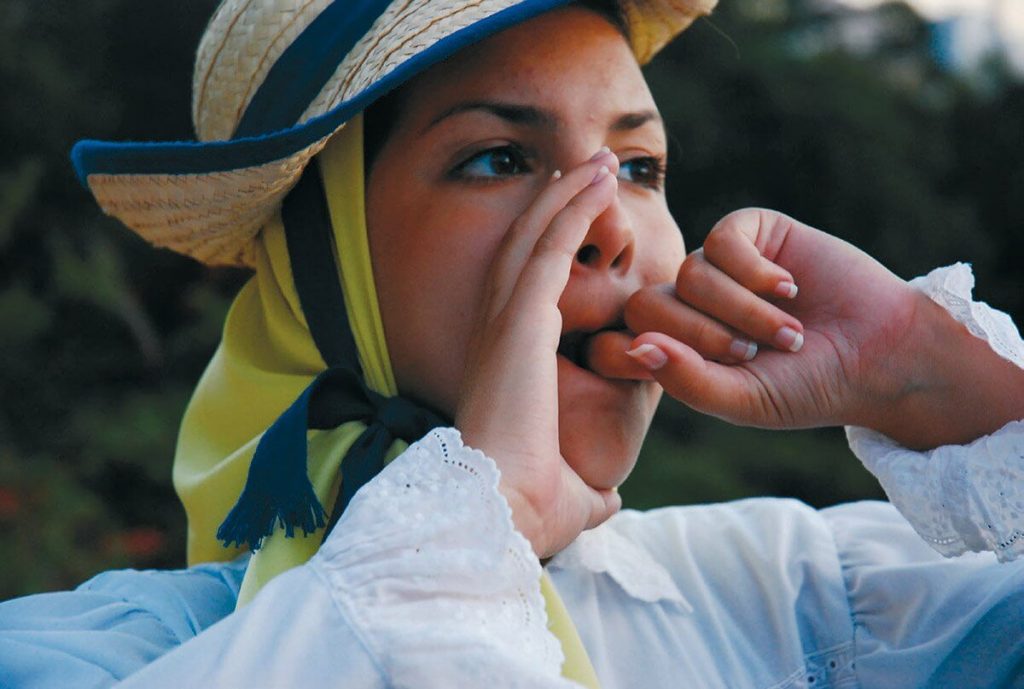
Dituturkan di pulau Spanyol La Gomera, Silbo Gomero adalah bahasa yang seluruhnya terdiri dari bersiul. Awalnya dikembangkan untuk memungkinkan komunikasi pada jarak hingga 5 km melalui lembah pulau pegunungan, Silbo Gomero adalah bahasa Spanyol biasa yang diubah menjadi suara siulan pendek yang disederhanakan. Efisiensi dan kegunaannya bagi pekerja di luar ruangan membantunya bertahan hingga era modern.
Sayangnya, Silbo Gomero keluar dari mode antara tahun 1960-an dan 1980-an, dijauhi oleh kelas menengah Spanyol, yang tidak ingin anak-anak mereka dikaitkan secara negatif dengan bahasa siulan petani pedesaan.
Namun, selama tahun 1990-an, bahasa tersebut memulai kebangkitan yang sehat, dengan banyak promosi dan perlindungan melalui kebijakan pendidikan. Semua anak Gomeran sekarang belajar berbicara Silbo Gomero di sekolah. Gomerans sekarang menghargai dan merangkul bahasa mereka sebagai aset budaya. Terlebih lagi, UNESCO telah secara resmi berjanji untuk melindungi bahasa sebagai contoh warisan budaya takbenda.
2. Pawnee
Bahasa asli Amerika dari wilayah Sungai Platte di Nebraska modern, Pawnee Menarik karena hanya memiliki 13 fonem atau suara individu yang membentuk bahasa tersebut.
Sebagai perbandingan, rata-rata jumlah fonem dalam suatu bahasa adalah 25-30. Bahasa Inggris, yang lebih beragam daripada kebanyakan bahasa, memiliki sekitar 42 fonem.
Meskipun memiliki sedikit suara, Pawnee adalah bahasa yang sangat polisintetis, artinya kata-kata memenuhi syarat dengan arti tambahan dengan menambahkan sufiks, dengan hampir tidak ada batasan jumlah sufiks yang dapat ditambahkan.
Pembelajar bahasa Finlandia, Hongaria, dan Swahili mungkin mengenali sifat ini: semua bahasa ini memiliki struktur yang mirip untuk kata benda yang memenuhi syarat.
Tetapi di Pawnee, penggabungan kata dan fonem begitu marak sehingga kata-kata sepuluh suku kata benar-benar normal dan umum. Ada banyak kata yang memiliki lebih dari 30 suku kata.
Meskipun Pawnee terancam punah, dengan hanya 100 penutur yang tersisa, Bangsa Pawnee berusaha untuk menghidupkannya kembali, dengan bahasa yang sekarang diajarkan di sekolah dan kelas orang dewasa.
3. Esperanto
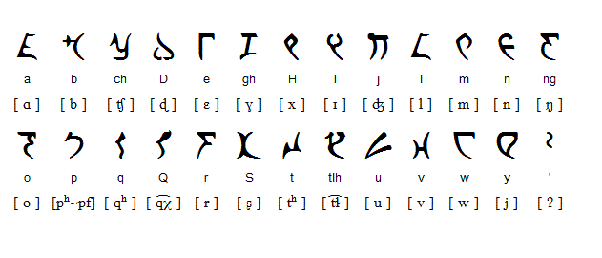
Ada sekitar dua juta penutur bahasa Esperanto di dunia. Tidak terlalu kabur, menurut Anda? Nah, hal yang tidak biasa tentang Esperanto adalah bahwa itu adalah bahasa yang sepenuhnya dibangun.
Dibuat oleh dokter mata Polandia L.L. Zamenhof pada tahun 1887, itu dirancang sebagai alat untuk mendorong hubungan internasional yang lebih baik. Mimpinya adalah Esperanto menjadi bahasa kedua universal di seluruh dunia, memungkinkan dialog internasional yang benar-benar netral dan adil antara bangsa dan rakyat.
Sebagian besar didasarkan pada bahasa Indo-Eropa yang digunakan di Eropa, kosakata dan suara Esperanto diambil dari bahasa Roman dan Jerman, dengan tata bahasa berasal dari bahasa Slavia. Tanpa kata kerja tidak beraturan dan konjugasi yang mudah, ini dapat diakses oleh penutur sebagian besar bahasa Eropa.
Bahasa ini menikmati puncak popularitas pada tahun 1920-an sebelum Esperantis kemudian dianiaya oleh banyak rezim otoriter di Eropa, yang mencurigai Esperanto sebagai kedok gerakan perlawanan. Esperanto tidak pernah pulih dari ini, dan bahasa Inggris malah mengklaim gelar lingua franca internasional setelah Perang Dunia II.
Meskipun Esperanto telah muncul di silabus sekolah di Hongaria dan Cina di masa lalu, itu hampir selalu diajarkan melalui belajar mandiri.
4. Sentinelese
Bahasa Sentinel benar-benar berbeda dari bahasa lain dalam daftar ini. Sebagian besar bahasa yang tidak biasa memiliki kualitas unik yang diakui dan dihormati oleh ahli bahasa. Tapi dengan Sentinel, kita sebenarnya tidak tahu apa-apa tentang itu.
Suku Sentinel, diperkirakan berjumlah antara 15 dan 500 orang, mendiami Pulau Sentinel Utara, bagian dari kepulauan Andaman yang terletak di Teluk Benggala.
Tetapi orang-orang Sentinel masih belum tersentuh. Mereka menunjukkan permusuhan dan kekerasan yang ekstrem terhadap segala upaya untuk melakukan kontak dengan pulau itu, yang terakhir membunuh misionaris Amerika John Chau pada tahun 2018. Isolasi penuh mereka berarti ahli bahasa tidak dapat mempelajari atau mengklasifikasikan bahasa tersebut. Meski dianggap mirip dengan Andaman, kita belum bisa memastikannya.
5. Andamanese
Di pulau Andaman Besar, di kepulauan yang sama dengan Pulau Sentinel, ditemukan rumpun bahasa Andaman. Sekarang hampir punah, bahasa Andaman menderita secara signifikan dari pengaruh linguistik penjajahan, dengan bahasa Hindi dan Inggris sekarang digunakan secara luas di pulau-pulau.
Bahasa-bahasa ini memiliki beberapa kebiasaan leksikal yang menarik. Pertama, kata benda dan kata sifat dimodifikasi dengan menggabungkan bagian tubuh yang paling mirip (baik secara visual maupun fungsional).

Bahasa-Bahasa Terbaik di Dunia Untuk Dipelajari Saat Ini – Salah satu kunci sukses yang tidak bisa terbantahkan di dunia saat ini adalah kefasihan dalam berbahasa kedua atau ketiga. Tak ada keraguan bahwa globalisasi adalah salah satu ciri masyarakat kita, membuat karyawan multi-bahasa menjadi suatu keharusan. Sebagai masyarakat kita juga lebih mobile sekarang daripada kapan pun dalam sejarah kita. Kemampuan untuk berkomunikasi dalam bahasa lain memberi kita lebih banyak pilihan dalam hal tempat tinggal yang kita inginkan.
Berikut ini telah disusun daftar bahasa yang paling berguna dan terbaik untuk dipelajari sekarang, ditambah beberapa prediksi tentang bahasa apa yang mungkin paling berguna di masa mendatang. idn slot
1. Bahasa Inggris
Bahasa Inggris dituturkan oleh lebih dari 75% populasi dunia dan merupakan bahasa resmi sejumlah negara termasuk Afrika Selatan dan Singapura. Bahasa Inggris adalah bahasa akademis yang paling berpengaruh, dan pengetahuan tentang bahasa Inggris bisnis adalah keharusan untuk beroperasi di dunia bisnis global. Globalisasi yang berkembang pesat berarti bahwa saat ini, bahasa Inggris telah menjadi bahasa utama bisnis, lingua franca dunia. Pada tahun 2020, British Council memperkirakan bahwa dua miliar orang akan menggunakan atau belajar bahasa Inggris di dunia
Perlu juga dicatat bahwa lebih dari setengah dari semua situs web ditulis dalam bahasa Inggris. Pengusaha yang ingin berhasil meluncurkan bisnis baru harus memiliki pemahaman yang baik tentang bahasa Inggris percakapan serta frasa bahasa Inggris bisnis. Belajar bahasa Inggris sekarang lebih penting dari sebelumnya; negara dengan kemampuan bahasa Inggris yang lebih baik tidak hanya lebih kompetitif tetapi juga lebih terbuka untuk peluang bisnis baru
2. Bahasa mandarin
Bahasa Mandarin adalah salah satu bahasa dengan pertumbuhan tercepat di dunia. Lebih dari 1,2 miliar orang memahami dialek tersebut. Selain itu, bahasa Mandarin adalah bahasa kedua yang paling populer di kalangan pengguna internet. Ketika pasar Asia memperluas bisnis internet dan e-commerce mereka dan mempertimbangkan bahwa banyak analis memperkirakan bahwa pada tahun 2050 Cina akan menjadi ekonomi terkemuka dunia, ada kemungkinan bahwa bahasa Mandarin akan menyalip bahasa Inggris sebagai bahasa bisnis yang paling berpengaruh, menjadikan bahasa Mandarin sebagai salah satu bahasa yang paling berpengaruh. bahasa yang berguna untuk dipelajari di masa depan.
3. Spanyol
Pentingnya berbicara bahasa Spanyol terus berkembang. Anehnya ini sebagian besar disebabkan oleh Amerika Serikat. AS adalah negara berbahasa Spanyol terbesar kedua di dunia dengan lebih dari 37 juta orang berbicara bahasa Spanyol sebagai bahasa pertama mereka dan 50 juta penutur bahasa Spanyol secara keseluruhan. Populasi Spanyol di AS diperkirakan akan berlipat ganda dalam tiga dekade mendatang, jadi penting bagi mereka yang ingin memanfaatkan pasar AS untuk memahami bahasa Spanyol serta bahasa Inggris bisnis.
4. Jerman
Jerman menempati urutan keempat dalam bahasa dunia yang paling banyak digunakan. Selain itu, kemajuan teknologi Jerman, ditambah dengan kekuatan politik dan ekonominya di Uni Eropa dan di seluruh dunia, menjadikan pengetahuan tentang bahasa Jerman sangat berharga. Analis bisnis menemukan bahwa banyak industri dan perusahaan membayar pekerja dengan kemampuan bahasa Jerman 4% lebih tinggi.
5. Portugis
Bahasa Portugis berada tepat di belakang bahasa Spanyol sebagai bahasa yang paling banyak digunakan di Amerika Latin. Ini dituturkan oleh lebih dari 200 juta orang di Brasil dan beberapa bagian Afrika, selain Portugal. Portugis telah mengalami pertumbuhan yang signifikan baru-baru ini, sebagian karena pertumbuhan Brasil sebagai pusat bisnis dan ilmiah.
6. Arab
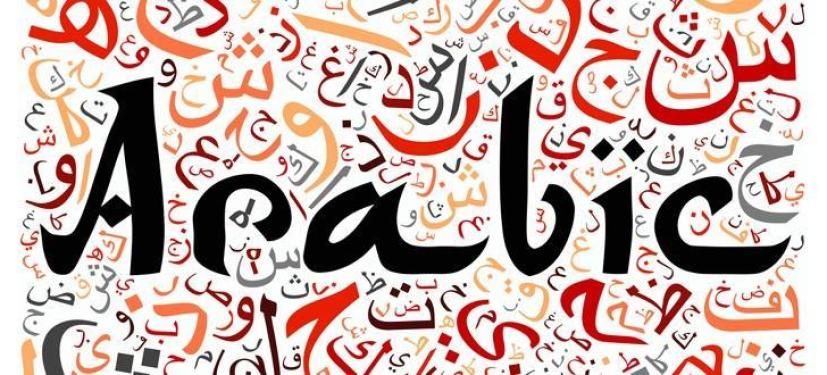
Negara-negara berbahasa Arab merupakan salah satu negara dengan pertumbuhan ekonomi tercepat di dunia. Bahasa Arab adalah bahasa resmi 28 negara. Negara-negara berbahasa Arab adalah pasar ekspor penting bagi Inggris dan Uni Eropa dan menunjukkan sedikit tanda perlambatan. Dalam sebuah laporan baru-baru ini, British Council menempatkan bahasa Arab sebagai “bahasa masa depan” terpenting kedua.
7. Prancis
Bahasa Prancis sering disebut sebagai “bahasa Inggris sebelumnya”. Selama sejarah kolonial Prancis adalah kekuatan utama di seluruh dunia. Pengaruh Prancis menyebabkan situasi yang tidak biasa di mana ada lebih banyak penutur bahasa Prancis non-pribumi daripada penutur asli. Prancis menempati urutan kedua dalam hal bahasa lisan di UE dan merupakan bahasa resmi 29 negara, termasuk sejumlah besar negara Afrika.
8. Jepang
Karena kinerja negara yang kuat, investasi, dan inovasi dalam penelitian dan pengembangan, teknologi, robotika, dan elektronik mutakhir, kemampuan berbahasa Jepang merupakan nilai tambah bagi mereka yang berada di bidang terkait. Jepang juga merupakan importir utama atau barang-barang barat. Pengguna internet berbahasa Jepang menyumbang lebih dari $88 miliar dalam penjualan e-commerce setiap tahunnya.
9. Rusia
Tidak ada keraguan bahwa Rusia adalah kekuatan politik dan ekonomi yang penting. Bahasa Rusia adalah salah satu bahasa resmi Perserikatan Bangsa-Bangsa dan menempati urutan kedua setelah bahasa Inggris sebagai bahasa utama yang digunakan untuk konten situs web.
Bahasa Rusia tetap banyak digunakan di negara-negara bekas Soviet juga. Karena jumlah penutur bahasa Rusia dan potensi bisnis dan investasi, bahasa Rusia dianggap sebagai salah satu bahasa yang berguna untuk dipelajari di masa depan.
10. Hindi
Fakta bahwa bahasa Hindi masuk dalam sepuluh bahasa teratas untuk dipelajari mungkin mengejutkan banyak orang. Meskipun sejumlah besar penduduk India berbicara bahasa Inggris, lebih dari 80% penduduk dianggap tidak fasih berbahasa Inggris.
Anak benua dipandang sebagai salah satu yang paling penting dari ekonomi berkembang. Instansi pemerintah telah meningkatkan investasi dalam teknologi dan konektivitas, penetrasi seluler terus tumbuh pesat, dan investasi internasional terus tumbuh. Semua elemen ini telah berkontribusi pada pertumbuhan cepat bahasa Hindi sebagai bahasa dunia yang penting.

Berbagai Bahasa Paling Banyak Dipergunakan di Dunia I – Untuk menentukan bahasa yang paling banyak digunakan di dunia adalah tugas yang lebih sulit daripada yang Anda bayangkan. Kita bisa mengatakan dengan yakin bahwa bahasa Mandarin, Inggris, Spanyol, dan Arab akan muncul (dan kira-kira dalam urutan apa), tetapi ada beberapa kejutan juga. Apakah Anda akan menebak bahwa bahasa Bengali termasuk dalam 10 bahasa yang paling banyak digunakan di dunia?
Satu peringatan kecil, menetapkan data keras, dalam bentuk “X juta penutur asli”, ke salah satu bahasa ini praktis tidak mungkin. Apa yang merupakan bahasa atau dialek adalah hal-hal yang diperebutkan. Lebih meresahkan adalah kenyataan bahwa apa yang kita sebut hanya sebagai “Cina” sebenarnya adalah seluruh keluarga bahasa yang dengan mudah disatukan ke dalam satu kategori. “Hindi” juga digunakan sebagai istilah umum untuk mencakup banyak dialek dan sub-dialek. Bahkan belum mengakui ketidakandalan sumber data, yang dikumpulkan pada waktu yang berbeda oleh lembaga yang berbeda. Angka-angka di bawah ini dikumpulkan oleh sebuah sumber yaitu Ethnologue, yang secara luas dianggap sebagai sumber data bahasa terlengkap yang ada saat ini. slot gacor
Tapi sekali lagi, siapa yang tidak suka daftar yang bagus? Jadi berikut ini telah disusun dua versi untuk Anda. Jika dihitung berdasarkan jumlah penutur asli saja, ini adalah bahasa yang paling banyak digunakan di dunia.
1. Bahasa Mandarin — 1,3 Miliar Penutur Asli

Angka sangat bervariasi, Ethnologue menempatkan jumlah penutur asli pada 1,3 miliar penutur asli, kira-kira 1,1 miliar di antaranya berbicara bahasa Mandarin tetapi tidak diragukan lagi itu adalah bahasa yang paling banyak digunakan di dunia. Jika Anda ingin mempelajari bahasa yang digunakan oleh satu dari enam orang di dunia, ini adalah bahasa yang tepat untuk Anda. Mengingat bahasa Cina adalah bahasa nada yang menggunakan ribuan logogram, tentu akan membuat Anda sibuk.
2. Bahasa Spanyol — 471 Juta Penutur Asli
Jika kita hanya melihat penutur asli, bahasa Spanyol memiliki hidung di depan bahasa Inggris dengan sekitar 471 juta penutur. Jika Anda menginginkan bahasa yang akan membuka seluruh benua bagi Anda, bahasa Spanyol adalah pilihan terbaik Anda. Seperti semua bahasa dalam daftar ini, politik bahasa dan identitas terkait sangat diperdebatkan: tanyakan penutur Catalan atau Quechua apakah bahasa Spanyol adalah bahasa lokal mereka dan Anda akan mendapatkan jawaban yang sangat berbeda. Tapi itu pasti bahasa utama sebagian besar Amerika Selatan dan Tengah, Spanyol, dan, ahem, sebagian besar AS.
3. Bahasa Inggris — 370 Juta Penutur Asli

Jika Anda membaca artikel ini, Anda mungkin salah satu dari 370 juta penutur asli bahasa Inggris, atau salah satu dari 978 juta orang yang menggunakannya sebagai bahasa kedua. Hal ini menunjukkan keberhasilan luar biasa bahasa Inggris sebagai lingua franca bisnis, perjalanan dan hubungan internasional. Kemudahan yang relatif dalam mempelajari bahasa Inggris (terutama dibandingkan dengan bahasa Cina) dan kekuatan lunak yang meresap dari budaya AS berarti bahwa bahasa Inggris akan terus mendominasi panggung dunia di masa mendatang. Bagi sebagian orang, bahasa Inggris masih identik dengan peluang dan kualitas hidup yang lebih baik.
4. Hindi — 342 Juta Penutur Asli
India memiliki 23 bahasa resmi, dengan kepala bahasa Hindi/Urdu di antaranya. Apakah ini satu bahasa, Hindustan atau dua dialek masih diperdebatkan dengan sengit. Dituturkan terutama di India utara dan sebagian Pakistan, bahasa Hindi menggunakan aksara devnagri, sedangkan bahasa Urdu menggunakan notasi Persia. Pada saat penulisan, perdebatan tentang perannya dalam pendidikan dan masyarakat India sekali lagi berkobar: Perdana Menteri Narendra Modi, seorang nasionalis Hindu, berusaha agar bahasa Hindi menggantikan bahasa Inggris di negara bagian India selatan sebagai bahasa utama komunikasi resmi. dan pendidikan, sebuah strategi yang mendapat perlawanan. Jika Anda pernah bepergian di anak benua India, sedikit bahasa Hindi akan membawa Anda jauh.
5. Bahasa Arab — 315 Juta Penutur Asli
Angka terbaru menempatkan bahasa Arab di sekitar 315 juta penutur asli. Tapi ini adalah contoh lain dari angka-angka yang tidak menceritakan kisah lengkap: Arab, seperti Cina, sangat berbeda dalam dialek masing-masing sehingga secara efektif menjadi sejumlah bahasa, dikelompokkan sebagai satu demi kenyamanan. Bahasa Arab Standar Modern adalah bentuk tulisan utama, yang terkait erat dengan Bahasa Arab Klasik Al-Qur’an. Namun, bentuk lisan bahasa Arab di, katakanlah, Oman dan Maroko sangat berbeda sehingga beberapa profesor filsafat dari negara-negara ini mungkin dapat mendiskusikan poin-poin penting dari teks-teks kuno sambil masih berjuang untuk memesan makan siang.

Berbagai Bahasa Paling Banyak Dipergunakan di Dunia II – Terdapat begitu banyak bahasa sehingga tak mungkin untuk menyebutkan semuanya dalam satu posting. Akan tetapi, ada sesuatu yang dapat kita lakukan dengan mudah: temukan bahasa yang paling banyak digunakan di dunia. Bahasa-bahasa ini telah menjadi penting di pasar kerja, akademik, dan bidang medis.
Ada lebih dari 7 miliar orang di seluruh dunia. Oleh karena itu, banyak cara berkomunikasi melalui bahasa yang berbeda. Mereka yang memiliki jumlah pembicara lebih banyak dari yang lain justru akan lebih berguna di masa depan. Berikut ini daftar kelanjutan dari bahasa yang paling banyak digunakan di dunia. slot
6. Bahasa Portugis — 232 Juta Penutur Asli
Ini adalah bahasa lain yang jangkauannya banyak dipengaruhi oleh masa lalu kolonialnya. Mulai abad ke-15, para pedagang dan penakluk Portugis yang rajin membawa bahasa mereka ke Afrika, Asia, dan Amerika. Penyebaran bahasa Portugis mungkin pada awalnya terkait dengan penjajahan Eropa, tetapi negara-negara terjajah mengembangkan budaya hidup mereka sendiri yang mengubah bahasa itu selamanya. Saat ini, bahasa Portugis dituturkan oleh 232 juta penutur asli di negara-negara seperti Brasil, Goa, Angola, Mozambik, Tanjung Verde, Guinea-Bissaau, São Tomé dan Príncipe dan Makau. Itu juga bahasa Machado de Assis, Bossa Nova, Mia Couto, Fernando Pessoa dan Agualusa.
7. Bengali — 229 Juta Penutur Asli
Akui saja: Anda tidak menyangka bahasa Bengali ada dalam daftar bahasa yang paling banyak digunakan. Pemisahan Benggala oleh Inggris pada tahun 1947 membagi (terutama Hindu) Benggala Barat, sekarang bagian dari India, dari mitranya (terutama Muslim) Benggala Timur, sekarang Bangladesh. Ini adalah bahasa Kolkata, Kepulauan Andaman, manisan yang luar biasa, dan 130 juta orang Bangladesh, banyak di antaranya sangat rentan terhadap perubahan iklim. Pada abad berikutnya, populasi diproyeksikan menjadi dua kali lipat sementara 15 persen dari luas daratan diperkirakan akan menghilang di bawah permukaan air laut yang naik.
8. Bahasa Rusia — 154 Juta Penutur Asli
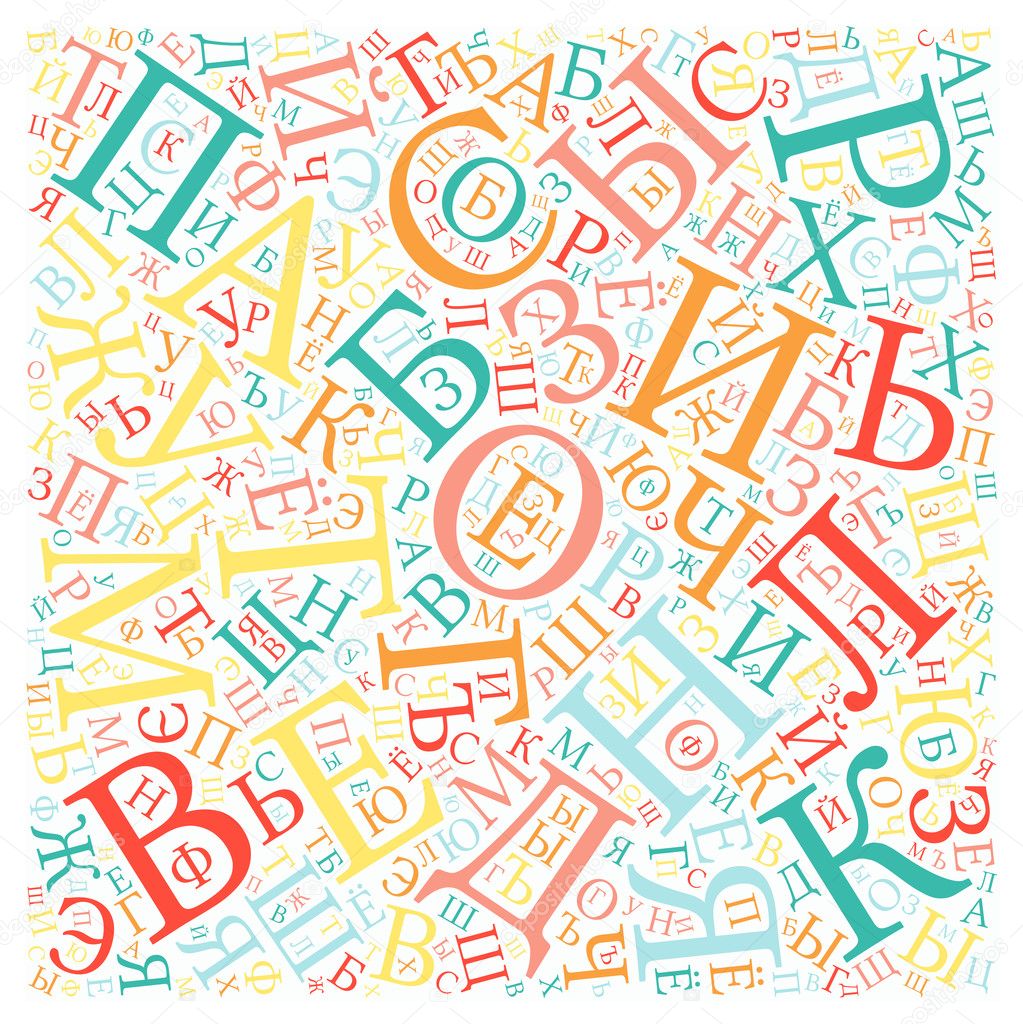
Dengan sekitar 154 juta penutur asli, bahasa Rusia adalah bahasa kedelapan yang paling banyak digunakan di dunia. Terkenal karena tata bahasanya yang sulit dipahami dan skrip Cyrillic yang cukup indah, bahasa ini tetap menjadi salah satu dari enam bahasa yang digunakan di Perserikatan Bangsa-Bangsa, dan menghasilkan karya sastra seperti Dostoyevsky, Nabokov, Chekhov, Gogol, Tolstoy, dan Pushkin.
9. Bahasa Jepang — 126 Juta Penutur Asli
Hampir semua dari 126 juta penutur asli bahasa Jepang tinggal di Jepang, tentu saja yang paling terkonsentrasi secara geografis dari semua bahasa dalam daftar ini. Bahasa Jepang memiliki dua sistem penulisan yang berbeda, hiragana dan katakana, serta banyak menggunakan karakter Kanji Cina. Kelompok penutur bahasa Jepang terbesar yang tinggal di luar Jepang dapat ditemukan di Amerika Serikat, Filipina, dan Brasil.
10. Lahnda (Bahasa Punjabi Barat) — 118 Juta Penutur Asli
Dengan perkiraan bervariasi sekitar 118 juta penutur asli, tempat terakhir dalam daftar jatuh ke Lahnda, bahasa makro Pakistan yang terutama mencakup Punjabi Barat. (Maaf, Jerman, tergeser dari daftar bahasa top dunia beberapa tahun yang lalu.) Itu bahkan tidak termasuk Punjabi Timur, yang digunakan di India. Punjab dibelah dua oleh Inggris ketika mereka pergi, dan jutaan orang terpaksa meninggalkan rumah, bisnis, dan keluarga mereka. Tapi mereka perlahan membalas dendam, gaya Bollywood: Lagu-lagu Punjabi sekarang mencapai 50 persen dari puncak tangga lagu. Itu adalah comeback jika kita pernah melihatnya.